

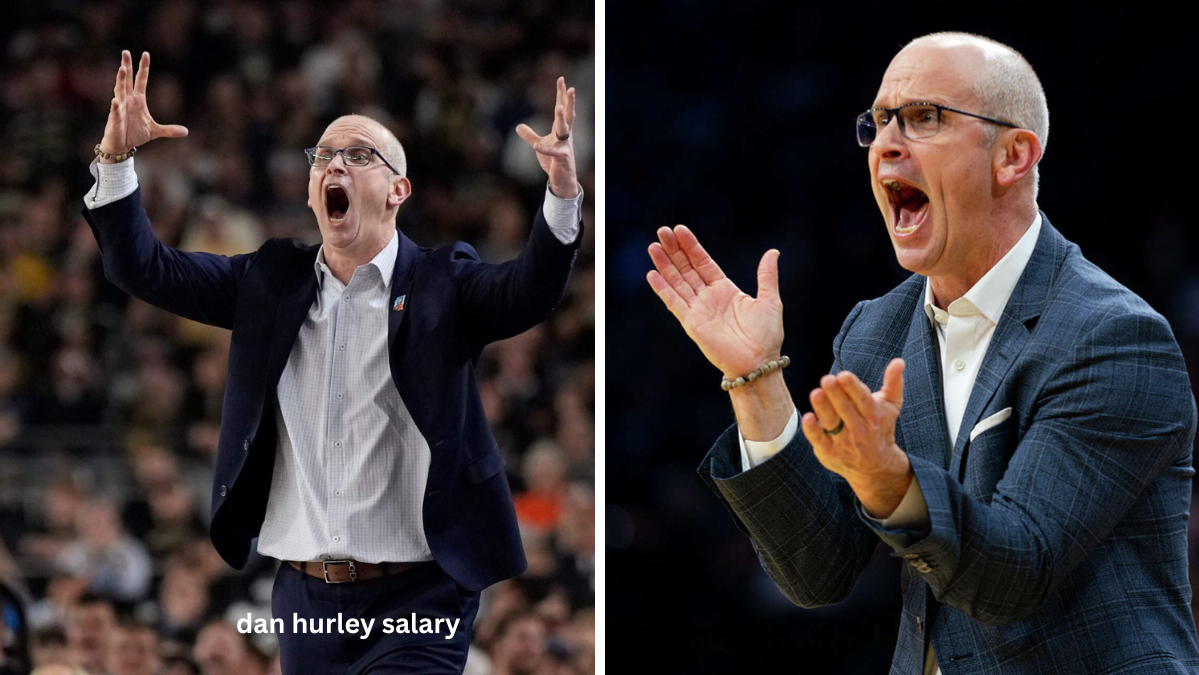
College basketball has always rewarded elite coaches with strong salaries, national attention, and long-term job security. Few coaches in the modern game have climbed the ladder as quickly and impressively as Dan Hurley. From rebuilding struggling programs to leading one of the most respected basketball teams in the country, Hurley has become one of the biggest names in college athletics.
Fans, sports analysts, and aspiring coaches often search for details about Dan Hurley salary because his career growth has mirrored the rise of elite coaching compensation in NCAA basketball. His success at UConn has not only elevated the program but also increased his value in the coaching marketplace. Every major tournament run, conference title, and recruiting win has strengthened his reputation as one of the best basketball minds in the sport.
The business side of college basketball has changed dramatically over the last decade. Television revenue, sponsorship deals, NIL influence, and the growing financial power of major conferences have pushed coaching salaries to incredible heights. Coaches who consistently produce championships and national recognition now earn compensation packages comparable to executives in major industries.
Dan Hurley’s career represents a perfect example of how modern college basketball rewards leadership, culture building, and sustained excellence. His journey was not built overnight. It came through years of grinding, rebuilding teams, developing players, and earning trust across every level of the game.
While many fans know him for his fiery sideline personality and intense coaching style, there is much more behind his financial rise. His contracts reflect years of dedication, family basketball tradition, and a reputation for transforming programs into winners. Understanding his salary means understanding the larger economics of college basketball itself.
This article explores every important aspect of his financial story, including career growth, coaching milestones, contract structures, endorsement potential, recruiting influence, and future earning possibilities. It also examines how his compensation compares with other elite college coaches and why universities are willing to invest heavily in proven leaders.
The Early Basketball Roots That Shaped Dan Hurley
Dan Hurley was born into basketball culture. Growing up in New Jersey, he was surrounded by the game from a young age because of his father, Bob Hurley Sr., one of the most legendary high school basketball coaches in American history. The Hurley name became synonymous with discipline, toughness, and basketball intelligence long before Dan stepped into the national spotlight.
Living in a competitive basketball environment helped shape his understanding of leadership and player development. The lessons he learned during childhood became the foundation for the coaching identity he would later build throughout his career. He understood early that coaching success depended on trust, accountability, and relentless preparation.
His family background also gave him exposure to high-level basketball strategy. Watching elite players come through his father’s program taught him how talent develops over time. He saw firsthand how discipline and structure could transform athletes into winners.
Dan’s brother, Bobby Hurley, also became a major basketball figure after starring at Duke and later moving into coaching. The Hurley household was deeply connected to the sport, creating an environment where basketball conversations happened daily. Competition within the family sharpened Dan’s mentality and helped fuel his ambition.
As a player, Dan Hurley competed at Seton Hall. Although he did not become a professional superstar, his playing career added another layer to his basketball understanding. He gained insight into locker room dynamics, player psychology, and the pressure athletes face during major games.
Those experiences later helped him connect with players as a coach. Athletes often respond to leaders who understand the emotional and mental demands of competition. Hurley’s background allowed him to build authentic relationships while maintaining high expectations.
Long before discussions about Dan Hurley salary became popular online, he was already building the knowledge and leadership traits that would eventually make him one of college basketball’s highest-paid coaches. His rise was rooted in years of learning, observing, and developing a deep understanding of the game.

Building a Coaching Reputation Through Hard Work
Dan Hurley did not immediately enter the world of multimillion-dollar coaching contracts. His early coaching years were built through persistence, smaller opportunities, and constant work behind the scenes. Like many successful coaches, he earned respect by proving he could improve teams and develop talent.
One of his earliest major coaching experiences came at St. Benedict’s Prep, where he quickly built a national powerhouse. His work there attracted attention across basketball circles because of the discipline and competitive identity he created within the program.
At St. Benedict’s, Hurley demonstrated his ability to recruit, motivate, and organize players at a high level. The team gained national recognition and consistently competed against elite programs. This success helped establish him as a serious coaching talent.
What separated Hurley from many coaches during this stage was his energy and intensity. Players responded to his passion because it was rooted in genuine commitment to improvement. He demanded accountability while also investing deeply in player development.
His reputation as a builder began growing rapidly. Athletic directors and college programs started viewing him as someone capable of changing a struggling culture. In college basketball, that reputation is extremely valuable because rebuilding programs is one of the toughest jobs in sports.
Hurley eventually transitioned into the college ranks, taking over Wagner College. The program had struggled for consistency, but he quickly changed expectations. Through smart recruiting and defensive toughness, Wagner improved significantly.
Success at Wagner led to another major opportunity at Rhode Island. Once again, Hurley inherited a program that needed direction and stability. He brought the same intense culture and gradually turned Rhode Island into a respected team capable of competing at a high level.
During these years, conversations about Dan Hurley salary were far less dramatic than they are today. However, the foundation for future earnings was being built through consistent winning and program development. Coaches who repeatedly improve struggling teams become valuable assets in college athletics.
His rise also highlighted the importance of patience in coaching careers. Rather than chasing quick fame, Hurley focused on creating sustainable success. That approach eventually made him one of the most sought-after coaches in the sport.
The Move to UConn and a New Era of Expectations
When the University of Connecticut hired Dan Hurley, the program was searching for stability and a return to national relevance. UConn already had a rich basketball history filled with championships and legendary players, but maintaining elite success is never easy in modern college basketball.
Hurley inherited a challenging situation. The team needed cultural rebuilding, recruiting momentum, and renewed confidence. Expectations were high because UConn fans are deeply passionate about basketball and accustomed to competing for championships.
From the beginning, Hurley approached the challenge with intensity. He emphasized defense, accountability, player development, and mental toughness. His practices became known for their competitiveness and detail-oriented structure.
Rebuilding a major program takes time, especially in an era where player transfers and recruiting battles can change quickly. Hurley faced criticism during certain stretches, but the university continued believing in his long-term vision.
One reason administrators trusted him was his clear identity as a coach. Successful programs often reflect the personality of their leaders, and Hurley brought energy, confidence, and relentless competitiveness to UConn.
Recruiting also improved significantly under his leadership. Top players began viewing UConn as an attractive destination again because of the culture Hurley created. He convinced recruits that the program was moving back toward national prominence.
As wins increased and tournament appearances followed, the value of Dan Hurley salary naturally grew. Elite basketball programs understand that retaining successful coaches is essential for stability, recruiting continuity, and national branding.
The transformation at UConn eventually led to championship-level basketball. Hurley’s teams became known for their physical play, strong defense, unselfish offense, and emotional resilience. Those qualities helped restore UConn’s reputation among the nation’s best programs.
His rise at UConn also demonstrated how coaching success extends beyond the court. Strong leadership impacts ticket sales, donor enthusiasm, television exposure, recruiting success, and university prestige. Coaches who generate that level of influence often receive major financial rewards.
Understanding Modern College Basketball Salaries
College basketball coaching salaries have increased dramatically over the last two decades. Television contracts, conference expansion, streaming revenue, and corporate sponsorships have transformed the economics of college sports. Universities now compete aggressively to hire and retain elite coaches.
In the past, only a small number of coaches earned multimillion-dollar salaries. Today, top basketball programs regularly invest enormous amounts into coaching contracts because winning programs generate substantial financial returns.
Successful teams drive ticket sales, merchandise purchases, alumni donations, and national visibility. Deep tournament runs can produce millions in revenue while also elevating the university’s reputation across the country.
This financial environment explains why discussions surrounding Dan Hurley salary continue gaining attention. Coaches who consistently win championships and recruit elite talent are viewed as investments rather than expenses.
Modern coaching contracts often include much more than base salary. Incentives tied to tournament appearances, conference titles, academic performance, and national championships can dramatically increase annual earnings.
Retention bonuses are also common. Universities understand that successful coaches attract interest from professional teams and competing schools. Strong financial packages help prevent programs from losing leadership continuity.
Another factor influencing coaching salaries is the transfer portal era. Coaches must now manage recruiting, roster retention, NIL dynamics, media obligations, and player relationships at an even higher level than before.
The pressure associated with these responsibilities is enormous. Coaches are expected to win immediately while navigating one of the most competitive recruiting environments in sports history.
Elite coaches also function as public ambassadors for their universities. Their personalities and leadership styles become closely associated with institutional identity. Programs therefore prioritize coaches who can represent the school positively while maintaining competitive excellence.
In this environment, salaries continue rising because proven leadership is difficult to find. Coaches who consistently deliver results become extremely valuable assets within college athletics.
Contract Details and Financial Structure at UConn
The financial structure behind major coaching contracts often includes several layers of compensation. While headlines usually focus on total salary figures, contracts typically contain performance incentives, retention bonuses, media payments, and additional benefits.
At UConn, Dan Hurley has earned significant financial growth as the program returned to championship contention. His compensation reflects both his success on the court and his importance to the university’s broader athletic reputation.
Base salary forms the core of most coaching contracts, but incentives can substantially increase total earnings. NCAA tournament appearances, conference championships, Final Four runs, and national titles often trigger additional compensation.
For coaches at elite programs, endorsement opportunities and media appearances can also become meaningful revenue streams. Successful coaches frequently participate in television interviews, sponsorship campaigns, basketball clinics, and promotional events.
Dan Hurley salary became a major topic after UConn’s national success elevated his market value. Once a coach proves capable of winning championships, universities often move quickly to improve contract terms and prevent outside interest from becoming a serious threat.
Retention clauses are especially important in college basketball. Programs understand that professional teams and rival universities constantly monitor successful coaches. Strong contracts help ensure long-term stability.
Another key component of coaching agreements involves buyout provisions. These clauses define what happens if either the coach or university chooses to end the relationship before the contract expires. Buyouts can reach enormous figures depending on contract length and success.
The financial commitment made by UConn reflects confidence in Hurley’s ability to sustain elite performance. Universities rarely invest heavily without believing the coach can maintain recruiting success and championship competitiveness.
In many ways, modern coaching contracts resemble executive business agreements. Universities negotiate aggressively because athletics now play a major role in branding, fundraising, and national exposure.
Hurley’s contract growth reflects both individual success and the broader financial evolution of college sports. Programs willing to compete for championships must often invest heavily in leadership.
Championship Success and Its Impact on Earnings
Winning championships changes everything for a college basketball coach. It elevates national reputation, increases media attention, strengthens recruiting, and dramatically boosts financial value. Coaches who win at the highest level enter a different category within the profession.
For Dan Hurley, championship success transformed public perception and increased his standing among elite coaches. Leading UConn to national prominence validated years of rebuilding work and proved that his coaching philosophy could produce results on the biggest stage.
Championships also increase negotiating power. Universities know that title-winning coaches become attractive targets for competing schools and professional organizations. As a result, programs often respond with larger salaries and stronger long-term commitments.
Beyond direct compensation, championships create secondary financial opportunities. Coaches gain increased visibility through television appearances, interviews, sponsorships, and speaking engagements.
Recruiting also becomes easier after national success. Elite players want to compete for coaches with proven systems and championship credibility. Better recruiting improves roster quality, which increases the likelihood of continued success.
The financial impact extends beyond the coach personally. Universities experience major benefits through ticket demand, merchandise sales, donor contributions, and national exposure. Successful basketball programs can significantly strengthen overall athletic department revenue.
Dan Hurley salary reflects this reality because his success has delivered measurable value to UConn. Championship-level basketball generates excitement across alumni networks and fan communities.
Winning also changes expectations permanently. Once a coach establishes a championship standard, pressure increases dramatically. Fans and administrators begin expecting deep tournament runs every season.
Handling those expectations requires strong leadership and adaptability. College basketball changes constantly through recruiting trends, player movement, and strategic evolution. Coaches who maintain success over time become especially valuable.
Hurley’s rise demonstrates how championships serve as the ultimate career accelerator in college basketball. While regular-season success matters, national titles create lasting influence and financial leverage.
Comparing His Earnings With Other Elite Coaches
The landscape of college basketball salaries includes several coaches earning multimillion-dollar contracts. Programs with strong basketball traditions understand the importance of investing in leadership capable of competing nationally.
When comparing Dan Hurley salary with other top coaches, it becomes clear that championship success heavily influences compensation. Coaches who consistently reach Final Fours or win national titles command enormous respect in contract negotiations.
Programs such as Kansas, Kentucky, Duke, North Carolina, and Michigan State have historically invested heavily in coaching because basketball success drives national attention and institutional pride.
Elite coaches often earn salaries that rival professional sports executives. Their responsibilities extend far beyond game strategy. They manage recruiting networks, staff development, media relations, donor engagement, and roster construction.
Hurley’s compensation places him among the most respected figures in college basketball because his achievements demonstrate sustained excellence. Universities recognize that replacing elite coaches is extremely difficult.
Experience also influences earning potential. Coaches who build long-term success across multiple programs often receive greater financial security because they have proven adaptability.
Another factor affecting salary comparisons involves market pressure. If professional organizations or competing universities show interest in a coach, current employers frequently respond with contract extensions or raises.
Basketball programs compete aggressively to maintain stability because coaching changes can disrupt recruiting classes, player relationships, and donor confidence.
Compared with many peers, Hurley’s reputation has grown rapidly due to his ability to transform UConn into a championship-level program within a relatively short period.
Financial comparisons among coaches ultimately reflect a combination of winning percentage, tournament success, recruiting performance, and long-term program influence. Hurley’s achievements have firmly established him among the sport’s elite leaders.
Leadership Style and Why Players Respond to Him
One reason Dan Hurley has achieved such strong success is his leadership style. He coaches with visible emotion, intensity, and passion, creating an environment where players understand expectations clearly.
Some coaches rely on calm communication while others use fiery energy to motivate athletes. Hurley belongs firmly in the second category. His sideline presence reflects how deeply invested he is in every possession and every moment of competition.
Players often respond positively to authenticity. Hurley’s intensity works because athletes believe his passion comes from genuine commitment to their growth and success.
Accountability remains central to his coaching philosophy. Players are expected to defend aggressively, compete consistently, and maintain discipline throughout games and practices.
At the same time, many former players describe Hurley as deeply supportive away from public competition. Strong relationships behind the scenes help balance the demanding nature of his coaching style.
Successful college coaches must also adapt to modern athlete expectations. Today’s players value communication, development opportunities, and trust. Hurley has shown an ability to maintain high standards while still building strong locker room relationships.
The culture he creates has become a major reason recruits choose UConn. Young athletes want environments that prepare them for professional basketball while also helping them grow personally.
Leadership quality directly affects financial value in college athletics. Universities invest heavily in coaches who can maintain discipline, inspire players, and represent the program effectively.
Discussions about Dan Hurley salary often focus on wins and championships, but leadership is equally important. Athletic departments know that sustainable success depends on culture as much as talent.
Hurley’s ability to combine emotional intensity with player development has helped establish him as one of the most respected coaches in modern college basketball.
Recruiting Power and Program Development
Recruiting remains one of the most important responsibilities for any college basketball coach. Without talented players, even the best strategies struggle to produce championship results.
Dan Hurley has developed a strong reputation as a recruiter because of his ability to connect with players and communicate a clear vision for success. Recruits often want coaches who are passionate, honest, and deeply invested in development.
At UConn, Hurley has consistently attracted high-level talent capable of competing nationally. Recruiting success has played a major role in the program’s resurgence.
Strong recruiting involves much more than evaluating basketball skills. Coaches must build relationships with players, families, high school coaches, and grassroots programs.
Modern recruiting also requires adapting to NIL opportunities and the transfer portal. Players now evaluate programs based on development pathways, exposure, financial opportunities, and long-term career prospects.
Hurley’s reputation as a developer of talent has strengthened UConn’s recruiting appeal. Athletes want to play for coaches who can prepare them for professional basketball and maximize their potential.
Winning further enhances recruiting momentum. Championship programs naturally attract greater attention because players want to compete on the biggest stages.
Recruiting power directly influences coaching value. Universities understand that elite talent acquisition is essential for sustained competitiveness.
Dan Hurley salary reflects his success in building rosters capable of competing at the highest level. His recruiting efforts have helped restore UConn as one of the premier destinations in college basketball.
The relationship between recruiting and financial compensation is straightforward. Coaches who consistently attract elite players increase the likelihood of winning, revenue growth, and national exposure.
The Pressure That Comes With Big Contracts
High salaries in college basketball come with enormous pressure. Fans, administrators, alumni, and media members expect consistent success from coaches earning multimillion-dollar contracts.
For elite programs like UConn, expectations rarely disappear after one successful season. Coaches are expected to compete for championships regularly while maintaining recruiting momentum and strong program culture.
Pressure increases even further during NCAA tournament season. A single elimination format creates massive emotional swings because one bad game can end an otherwise successful year.
Coaches must also manage constant public scrutiny. Every lineup decision, timeout strategy, and recruiting move becomes part of national conversation.
Dan Hurley’s emotional coaching style often attracts attention because fans and analysts closely watch his reactions during games. While some critics view his intensity as excessive, many supporters see it as evidence of competitive passion.
Handling pressure effectively is one reason elite coaches earn large salaries. Universities want leaders capable of managing stress, media attention, and internal expectations.
The emotional demands of coaching can be exhausting. Coaches spend countless hours recruiting, preparing game plans, traveling, and managing player relationships.
Despite the pressure, successful coaches often thrive in competitive environments. Hurley’s personality appears naturally suited for high-stakes basketball situations.
Financial compensation reflects not only basketball expertise but also the ability to handle enormous public responsibility. Elite coaches become central figures within university culture and national sports conversation.
As expectations continue rising at UConn, Hurley’s ability to sustain excellence will remain closely connected to perceptions of his long-term value.
Media Attention and National Recognition
Modern college basketball coaches operate in an environment filled with constant media attention. Television coverage, podcasts, social media discussions, and sports debate shows create nonstop conversation around major programs.
Dan Hurley has become one of the most recognizable personalities in college basketball because of his intensity, honesty, and competitive approach. Media attention naturally increases when coaches lead championship-caliber teams.
National exposure can significantly influence a coach’s brand value. Successful coaches often become regular figures in interviews, documentaries, and sports analysis programs.
Hurley’s candid communication style has helped him stand out. Fans appreciate coaches who speak honestly about challenges, player growth, and competitive pressure.
Media visibility also benefits recruiting. Young athletes frequently watch interviews and press conferences while evaluating potential programs.
The relationship between media attention and coaching compensation is important because visibility helps strengthen university branding. Coaches who attract national interest increase overall program relevance.
Dan Hurley salary continues generating discussion partly because he has become one of the sport’s most talked-about figures. Championship success combined with emotional intensity creates strong public interest.
Social media has further amplified coaching visibility. Clips of locker room speeches, sideline reactions, and postgame interviews spread quickly across sports platforms.
While media attention can create additional pressure, it also expands financial opportunities through endorsements, appearances, and long-term career leverage.
Hurley’s growing national profile demonstrates how coaching success now extends beyond wins and losses into broader cultural influence within sports media.
Family Legacy and Basketball Identity
The Hurley family carries one of the most respected names in basketball. That legacy has shaped Dan Hurley’s identity throughout his life and career.
Growing up around basketball excellence created high standards from an early age. His father’s legendary coaching career established a culture built on discipline, accountability, and competitiveness.
Family influence often plays a major role in coaching development because leadership philosophies are shaped over many years. Hurley’s approach reflects lessons learned through decades of basketball exposure.
At the same time, Dan has built his own identity separate from family history. His accomplishments at UConn have established him as one of the sport’s elite coaches in his own right.
Basketball families often develop deep understanding of preparation and resilience. Those traits become especially valuable in high-pressure environments like college athletics.
The Hurley name also carries recruiting influence because players recognize the family’s long-standing basketball credibility.
Discussions about Dan Hurley salary sometimes include references to his family background because basketball success has become deeply associated with the Hurley identity.
However, financial success ultimately depends on individual achievement. Dan earned respect through rebuilding programs, winning championships, and sustaining excellence.
Family legacy may open conversations, but long-term success requires results. Hurley has repeatedly demonstrated his ability to lead teams effectively across different levels of competition.
His story represents both continuation of a basketball tradition and creation of an independent coaching legacy built through years of hard work.
How UConn Benefits From His Success
College basketball success can transform an entire university atmosphere. Winning programs generate excitement that spreads across students, alumni, donors, and local communities.
At UConn, basketball has always held special importance. The program’s championship tradition creates enormous passion among fans, making coaching leadership especially influential.
Hurley’s success has helped restore national attention to the university. Deep tournament runs increase television exposure and strengthen brand recognition across the country.
Athletic success also influences fundraising. Alumni often become more engaged when teams compete for championships, leading to stronger financial support for athletic programs and university initiatives.
Ticket demand and merchandise sales typically rise during successful seasons. Basketball success creates emotional connection that drives fan participation.
Recruiting across multiple sports can also benefit from strong athletic visibility. Universities with nationally recognized programs often attract broader attention from prospective students.
Dan Hurley salary reflects these broader institutional benefits because his leadership impacts much more than game results alone.
Universities view successful coaches as ambassadors capable of representing school values while building national prestige.
The economic impact of winning basketball can be substantial. NCAA tournament appearances generate revenue while also increasing overall program visibility.
UConn’s investment in Hurley demonstrates confidence that sustained basketball success provides meaningful long-term value both athletically and institutionally.
The Influence of NIL and the Transfer Portal
College basketball has changed dramatically because of NIL opportunities and the transfer portal. Coaches must now navigate a more complex environment than at any previous point in NCAA history.
Players today evaluate schools using different criteria than past generations. Development, playing time, exposure, and financial opportunities all influence decisions.
For coaches, managing rosters has become significantly more challenging. Retaining talent can be just as important as recruiting new players.
Dan Hurley has adapted effectively to this changing environment by maintaining strong relationships and emphasizing competitive culture.
Programs with strong leadership often perform better in uncertain environments because players value stability and trust.
NIL opportunities have also increased the financial importance of successful coaches. Elite programs with national exposure often attract stronger sponsorship interest for athletes.
The transfer portal requires constant roster evaluation. Coaches must identify potential additions while also maintaining chemistry within existing teams.
Modern coaching therefore involves much more than traditional game preparation. Relationship management, communication, and adaptability have become essential skills.
Dan Hurley salary reflects the increasing complexity of coaching responsibilities in today’s college basketball landscape.
Universities are willing to invest heavily in coaches capable of thriving within rapidly evolving competitive structures.
Future Earning Potential and Long-Term Outlook
The future earning potential for elite college basketball coaches remains extremely strong. Television revenue, media exposure, and fan demand continue driving major investment into successful programs.
As long as Dan Hurley maintains championship-level competitiveness, his financial value will likely continue increasing. Coaches who consistently deliver elite results rarely experience declining market demand.
Professional basketball opportunities could also influence future earnings discussions. Successful college coaches often attract interest from NBA organizations searching for strong leaders and strategic thinkers.
Whether Hurley ultimately prefers staying in college basketball or exploring professional opportunities remains uncertain, but his accomplishments ensure he will remain highly respected across the sport.
Long-term coaching contracts often evolve as programs seek stability. Universities prefer avoiding uncertainty around leadership, especially when teams are performing well.
Another factor affecting future earnings involves continued media growth within sports entertainment. Streaming services and digital platforms continue expanding basketball coverage.
The increased visibility of college athletics creates additional branding opportunities for successful coaches.
Dan Hurley salary could rise further if UConn continues competing for championships consistently over the next several seasons.
Historical trends show that coaches who sustain elite performance over long periods often become among the highest-paid figures in college athletics.
Future earnings will ultimately depend on continued winning, recruiting success, player development, and adaptability within an evolving basketball landscape.
Why Fans Are Fascinated by Coaching Salaries
Sports fans have always been curious about coaching salaries because compensation reflects status, success, and organizational priorities.
When fans search for information about Dan Hurley salary, they are often trying to understand how universities value leadership and competitive success.
Coaching salaries also spark debate because college sports involve intense emotional investment from fan bases. Supporters want reassurance that programs are committed to winning championships.
Large contracts can create excitement because they signal institutional ambition. Fans often interpret major financial commitments as evidence that universities are serious about maintaining elite competitiveness.
At the same time, coaching salaries can generate criticism when teams underperform. Public expectations rise significantly alongside financial compensation.
In Hurley’s case, championship success has helped justify strong financial investment because results on the court have matched expectations.
Fans are also fascinated by the business side of sports. Contract negotiations, buyouts, bonuses, and endorsements add another layer of intrigue to college athletics.
Modern sports coverage constantly discusses financial aspects of coaching because contracts influence recruiting stability and long-term program direction.
Dan Hurley salary represents more than personal wealth. It symbolizes the value placed on leadership, culture building, and championship achievement in college basketball.
As sports business continues evolving, public interest in coaching compensation will likely remain a major part of athletic conversation.
Lessons Young Coaches Can Learn From His Journey
Dan Hurley’s career offers valuable lessons for aspiring coaches hoping to build long-term success in basketball or other sports.
One important lesson is the value of patience. Hurley did not begin his career with a major university contract or national spotlight. He built credibility gradually through consistent work and program development.
Young coaches can also learn from his emphasis on culture. Talent matters greatly in sports, but strong culture often determines whether teams achieve sustained success.
Hurley’s career highlights the importance of authenticity. Players and staff members tend to respond better when leadership style reflects genuine personality rather than forced behavior.
Another lesson involves adaptability. College basketball changes constantly, and successful coaches must evolve strategically while maintaining core principles.
Recruiting relationships also remain critical. Coaches who communicate clearly and build trust often gain long-term advantages in talent acquisition.
The story behind Dan Hurley salary demonstrates that financial success usually follows years of commitment, preparation, and resilience.
Young coaches should understand that setbacks are common within competitive careers. Hurley faced criticism and difficult stretches before reaching championship heights.
Leadership under pressure is another major takeaway. Successful coaches must maintain confidence and direction even during challenging periods.
Ultimately, Hurley’s rise shows that sustained effort, strong culture, and competitive passion can create extraordinary professional opportunities.
The Broader Business of College Basketball
College basketball has evolved into a major entertainment industry with enormous financial stakes. Television contracts, sponsorship agreements, and postseason revenue have transformed the economics surrounding the sport.
Universities invest heavily in facilities, recruiting resources, and coaching staffs because successful programs generate substantial visibility and financial return.
Elite basketball programs often function similarly to professional organizations. Coaching staffs include specialists in analytics, player development, nutrition, recruiting, and sports psychology.
The NCAA tournament alone generates massive national attention every year. Schools benefiting from deep tournament runs often experience increased applications, stronger donor engagement, and heightened media exposure.
Coaching salaries have therefore risen alongside the sport’s financial growth. Universities compete aggressively because elite leadership can influence long-term athletic success.
Dan Hurley salary reflects this broader business environment where coaching excellence carries significant economic value.
The commercialization of college athletics continues creating new revenue opportunities through streaming platforms, international audiences, and digital media partnerships.
As competition intensifies, programs prioritize leadership stability and strategic vision. Coaches capable of building winning cultures become increasingly valuable.
Basketball success also strengthens conference reputation, which can influence television negotiations and broader institutional visibility.
Hurley’s career illustrates how individual coaching success intersects with the expanding financial ecosystem surrounding modern college sports.
Public Perception and Coaching Personality
Personality plays a major role in how coaches are perceived publicly. Some leaders maintain quiet professionalism while others become famous for emotional intensity and visible competitiveness.
Dan Hurley belongs to the latter category. His sideline energy and passionate reactions have become central parts of his public image.
For many fans, this intensity makes games more entertaining and emotionally engaging. Supporters often appreciate coaches who appear fully invested in competition.
Critics occasionally argue that emotional coaches draw unnecessary attention, but passion has long been part of basketball culture.
Hurley’s personality also reflects the environment he creates within his program. Competitive energy, urgency, and accountability define much of his coaching approach.
Public perception matters because coaches serve as visible representatives of universities. Their communication style influences recruiting, media narratives, and fan connection.
Dan Hurley salary is partially connected to his ability to generate attention and maintain strong public visibility for UConn basketball.
Modern sports media rewards personalities capable of creating compelling narratives. Coaches who combine success with recognizable style often attract larger audiences.
Despite strong emotions during games, Hurley is widely respected for basketball knowledge and player development.
His public image demonstrates how coaching success today involves both competitive results and broader cultural presence within sports entertainment.
The Lasting Legacy He Is Building
Legacy is one of the most important concepts in sports because careers are ultimately remembered through impact, championships, and leadership.
Dan Hurley has already established himself as one of the most influential figures in modern college basketball. His work at UConn restored national prominence and strengthened one of the sport’s iconic programs.
Championships play a major role in legacy discussions, but culture and player development matter as well. Coaches are often remembered for how they influenced athletes both on and off the court.
Hurley’s intense competitive approach has helped define a new era of UConn basketball built around toughness, discipline, and resilience.
Future success could elevate his reputation even further among the greatest coaches in program history.
The story behind Dan Hurley salary represents more than financial achievement. It reflects years of dedication, family influence, leadership growth, and competitive excellence.
Legacy also depends on sustainability. Coaches who maintain high standards over long periods often leave the deepest impact on programs and communities.
Hurley’s influence already extends beyond basketball strategy into recruiting identity, fan culture, and university pride.
Young coaches studying his career can see how persistence and authenticity contribute to long-term success.
As college basketball continues evolving, Hurley’s accomplishments will remain part of broader conversations about leadership, coaching excellence, and the changing business of sports.
Final Thoughts on His Career and Financial Success
Dan Hurley’s rise through the basketball world represents a combination of relentless work ethic, strong leadership, family tradition, and championship-level coaching ability. From early coaching roles to national success at UConn, he steadily built a reputation as one of the game’s most respected figures.
The public fascination with Dan Hurley salary exists because his financial success reflects broader themes within modern college basketball. Winning programs generate enormous value for universities, and elite coaches have become central figures within that system.
Hurley’s journey demonstrates that coaching success is rarely immediate. It develops through years of learning, rebuilding, recruiting, and adapting to changing environments.
His intense coaching style, player development skills, and ability to create strong team culture have helped separate him from many peers within the profession.
As college basketball continues evolving through NIL changes, transfer portal movement, and growing media attention, coaches capable of maintaining consistent excellence will remain highly valuable.
Hurley has already proven that he can thrive under pressure while leading one of the sport’s most tradition-rich programs.
Financial rewards in sports often reflect influence as much as performance. Hurley’s impact on UConn extends beyond victories into recruiting momentum, national branding, fan excitement, and institutional pride.
Whether he continues building a long-term dynasty at UConn or eventually explores new opportunities, his place among elite basketball coaches is firmly established.
His career also serves as inspiration for aspiring coaches who hope to build successful paths through dedication, resilience, and passion for the game.
The conversation surrounding Dan Hurley salary will likely continue growing because his story represents the modern reality of college basketball, where leadership, championships, and cultural influence combine to create extraordinary professional success.