

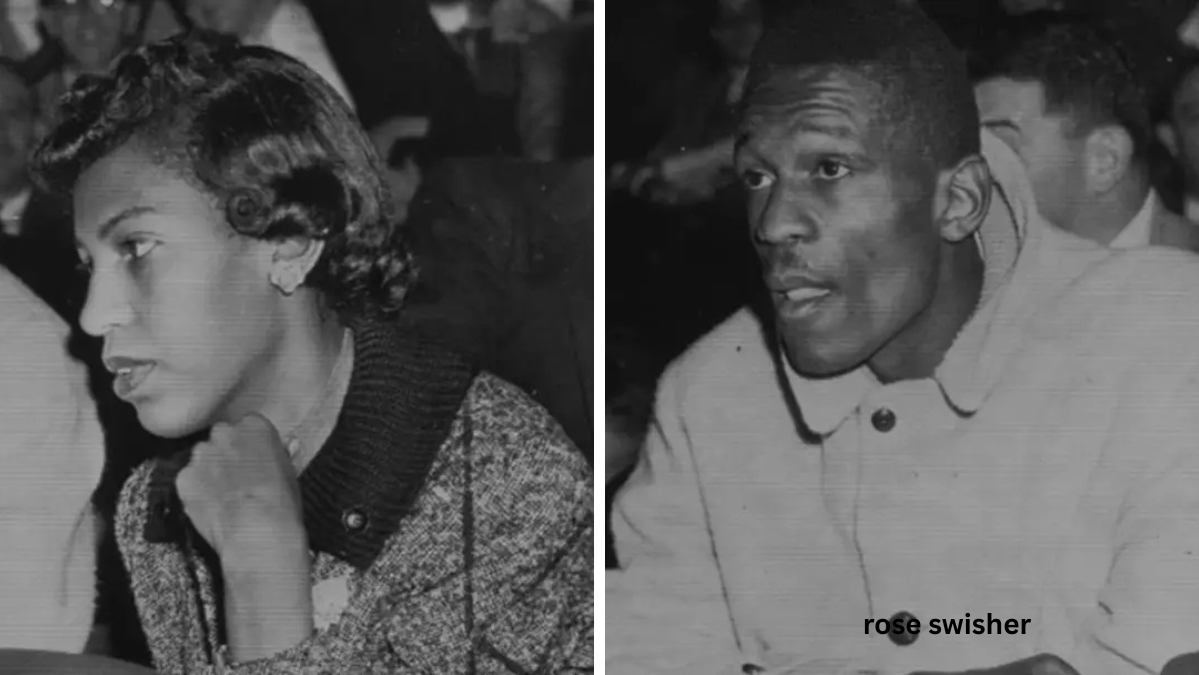
The story of rose swisher is often connected to basketball history, yet her life carries a much deeper meaning than simply being associated with a legendary athlete. She lived during a transformative era in American culture, faced the realities of racial discrimination alongside her husband, and remained remarkably private despite public attention surrounding her family. While many people recognize Bill Russell as one of the greatest basketball players of all time, far fewer understand the important role his first wife played during the formative years of his career and personal development.
Her journey represents resilience, loyalty, dignity, and emotional strength. In a time when celebrity spouses were rarely acknowledged for their sacrifices or influence, she stood beside a man whose professional obligations and public visibility created enormous pressure on family life. Yet she maintained her own identity, protected her children, and largely avoided the spotlight that followed the Russell family.
Today, interest in her story continues to grow because modern audiences want to understand the people behind iconic public figures. Historians, sports enthusiasts, and readers interested in American social history often revisit the lives of influential families from the civil rights era. That renewed curiosity has helped bring attention to the legacy of a woman who quietly contributed to one of basketball’s most celebrated dynasties.
This article explores her life, family, marriage, values, influence, and lasting legacy. It also examines the cultural environment that shaped her experiences and explains why her story still matters decades later.
Early Life and Personal Background
Very little public information exists about the early years of Rose Swisher, and that privacy has become part of her identity in historical discussions. Unlike celebrities who embrace media attention, she belonged to a generation that valued personal boundaries and family discretion. Even during her marriage to one of the world’s most recognizable athletes, she rarely gave interviews or attempted to build a public persona.
Her upbringing reflected the realities faced by many African American families in the mid-twentieth century. Communities across the United States were dealing with segregation, limited opportunities, and widespread social inequality. Families often depended on resilience, education, and strong interpersonal support systems to navigate those challenges. Those values later became visible in the way she approached marriage, motherhood, and public attention.
Although many details about her childhood remain undocumented, people who have studied the Russell family often describe her as grounded, intelligent, and deeply supportive. These traits would become increasingly important once Bill Russell entered the national spotlight through his college basketball success and eventual NBA career.
The lack of sensational stories surrounding her life actually highlights an important truth. She never appeared interested in fame for its own sake. In modern celebrity culture, that level of restraint feels unusual, which is one reason her story continues to fascinate readers today.
Meeting Bill Russell and Building a Partnership
The relationship between rose swisher and Bill Russell began long before championship celebrations and national recognition. Their connection developed during a period when Bill Russell was still establishing himself academically and athletically. Relationships formed during those years often depended less on fame and more on genuine emotional support, shared values, and mutual trust.
At the time, college athletics did not offer the massive financial rewards associated with modern professional sports. Athletes still faced uncertainty about their futures, and African American players in particular dealt with discrimination both on and off the court. The emotional burden attached to that environment was significant, especially for young couples attempting to build stable lives together.
Their marriage took place in 1956, the same year Bill Russell joined the Boston Celtics. That moment marked the beginning of one of the most dominant dynasties in sports history. While the public celebrated championships and athletic greatness, the private reality involved constant travel, intense media scrutiny, racial hostility, and the pressure of maintaining a family amid extraordinary demands.
A quote often associated with relationships from that era captures the emotional reality many spouses experienced: “Behind every celebrated figure is someone carrying the weight no audience ever sees.” That sentiment reflects the type of partnership she maintained during the early stages of Russell’s legendary basketball career.
Life During the Boston Celtics Dynasty
The Celtics dynasty transformed Bill Russell into an international sports icon, but it also transformed the daily lives of his family members. Living in Boston during the late 1950s and 1960s came with enormous social tensions. Despite the city’s reputation for education and culture, racial discrimination remained a painful reality.
Families of African American athletes frequently encountered hostility that extended beyond sports arenas. Vandalism, verbal abuse, discrimination in housing, and unequal treatment were common experiences. The Russell family endured many of those challenges while simultaneously attempting to maintain a sense of normal family life.
During those years, rose swisher managed the responsibilities of motherhood while supporting a husband whose career demanded relentless focus. Professional basketball schedules were exhausting, and media attention grew larger with every championship season. Yet she remained largely outside public controversy and avoided becoming part of the celebrity machine.
Her ability to maintain stability inside the household likely played a significant role in helping Bill Russell manage the emotional demands of professional sports. Athletes often discuss the importance of emotional grounding, and strong family structures can become essential during periods of extreme professional pressure.
The Celtics won championship after championship, turning Russell into a symbol of excellence and leadership. However, success did not eliminate racial prejudice. The family still faced discrimination despite his accomplishments. That contradiction became one of the defining realities of their lives.
| Key Aspect | Details |
|---|---|
| Marriage Year | 1956 |
| Spouse | Bill Russell |
| Children | Three |
| Historical Era | Civil Rights Movement |
| Public Image | Private and Reserved |
| Main Association | Boston Celtics Dynasty |
| Known For | Family support and quiet strength |
The pressures attached to fame during that era differed significantly from modern celebrity culture. Social media did not exist, yet newspapers and television coverage still created intense public visibility. Athletes had fewer opportunities to control narratives, and their families often became involuntary participants in public conversations.
Through all of this, she remained composed and deeply private. That consistency contributed to the perception that she valued family stability above public recognition.
Motherhood and Family Values
One of the most important aspects of her life involved motherhood. Raising children within a highly visible sports family required patience, discipline, and emotional intelligence. Public attention toward celebrity families can create pressure on children, especially during periods of intense media coverage.
The Russell children grew up witnessing both extraordinary success and difficult social realities. Their father became one of the most successful athletes in history, yet the family still confronted racism and public hostility. Maintaining balance under those circumstances demanded strong parenting and clear family values.
Rose Swisher reportedly focused heavily on creating a stable environment for her children. Stability matters enormously when parents operate under public scrutiny. Children benefit from routines, emotional consistency, and protection from external pressures. Her approach to privacy likely reflected a desire to shield her family from unnecessary public exposure.
Many observers underestimate how emotionally demanding sports fame can become for spouses and children. Frequent travel, public criticism, and constant expectations can place significant stress on family relationships. Supporting an athlete through championship seasons involves sacrifices that rarely receive public recognition.
Her role within the family structure demonstrated emotional resilience. She helped maintain continuity during years filled with travel schedules, championship celebrations, and intense social change throughout America.
The Social Climate of the Civil Rights Era
Understanding the life of rose swisher requires understanding the historical period in which she lived. The late 1950s and 1960s represented one of the most turbulent and transformative eras in American history. Civil rights activism reshaped national conversations about race, equality, justice, and representation.
Professional athletes increasingly became visible voices within social movements, and Bill Russell emerged as one of the most outspoken figures of his generation. His activism, intelligence, and willingness to challenge discrimination made him respected far beyond basketball.
That public stance affected the entire family. Spouses of activists and public figures often experience emotional consequences that receive little historical attention. Supporting someone engaged in social battles can create stress, fear, and uncertainty, particularly during periods of political tension.
The Russell household existed at the intersection of sports, celebrity, race, and activism. Navigating those realities required extraordinary emotional strength. Families involved in public advocacy frequently sacrifice privacy and security in ways outsiders rarely recognize.
During this era, many African American women carried enormous emotional responsibilities inside their families and communities. They maintained households, protected children, supported partners, and helped create emotional stability amid widespread social conflict. Her life reflects many of those broader historical patterns.
A meaningful quote from civil rights history explains this dynamic well: “Strength is not always loud. Sometimes it is the quiet determination to keep moving forward.” That sentiment aligns closely with the role she appeared to play throughout her marriage and family life.
Why Privacy Became Part of Her Legacy
In modern culture, privacy often feels rare among people connected to celebrities. Many spouses of famous figures eventually pursue interviews, books, endorsements, or media appearances. Rose Swisher chose a different path.
Her commitment to privacy shaped public perception of her life. Rather than building an identity around fame, she remained focused on personal relationships and family responsibilities. That choice has contributed to ongoing curiosity because so little sensational material exists about her.
Privacy can sometimes represent strength rather than secrecy. By refusing to participate heavily in celebrity culture, she preserved a sense of dignity and independence. Historians often note that some of the most influential individuals surrounding public figures remain almost invisible in historical archives precisely because they prioritized personal life over publicity.
This reserved approach also reflected generational values. Many people from mid-century America viewed public attention cautiously. Fame was not necessarily considered desirable, especially when it threatened family stability.
Her limited media presence means much of her legacy survives through historical context rather than direct public commentary. Yet that absence of spectacle may actually strengthen public respect for her today.
Marriage Challenges and Emotional Pressures
No marriage remains untouched by pressure, especially when one partner becomes an international celebrity. The relationship between Bill Russell and his first wife existed within an environment filled with extraordinary demands. Long travel schedules, media scrutiny, public expectations, and social conflict all created emotional strain.
Professional athletes frequently discuss the sacrifices required for elite performance. Those sacrifices rarely affect only the athlete. Spouses often manage households independently during long absences and carry emotional responsibilities that remain invisible to the public.
The emotional weight attached to fame can slowly reshape relationships over time. Constant public attention changes routines, priorities, and communication patterns. While championship success may appear glamorous from the outside, the private reality often involves exhaustion, stress, and emotional distance.
The marriage eventually ended in divorce after many years together. Although public curiosity surrounded the separation, neither side transformed the situation into public spectacle. That restraint reflected the overall dignity both individuals maintained regarding personal matters.
Divorce during that era carried different social implications than it does today. Public figures often faced heavy media scrutiny, yet the separation remained relatively private compared to modern celebrity breakups. That discretion reinforced her reputation as someone who valued personal boundaries and family respect.
Cultural Interest in Historical Sports Families
Interest in sports history has expanded dramatically in recent years. Documentaries, biographies, podcasts, and streaming productions have encouraged audiences to revisit the lives of athletes and their families from earlier generations.
As people study legendary sports figures more deeply, they increasingly recognize the importance of spouses and family members who contributed emotional support behind the scenes. This shift has created renewed interest in women whose lives were historically overshadowed by famous husbands.
The story of rose swisher fits within that broader cultural movement. Readers today want more complete narratives rather than simplified celebrity stories. They seek context, emotional realism, and historical depth.
Her life also intersects with multiple important themes, including race relations, marriage under pressure, family privacy, women’s roles during the civil rights era, and the emotional realities of sports fame. Those themes make her story relevant beyond basketball history alone.
Modern audiences often appreciate authenticity more than glamour. Because her life was not built around publicity, many readers perceive her story as more genuine and emotionally relatable.
The Emotional Reality Behind Greatness
Sports history often celebrates championships, statistics, trophies, and public achievements. Yet behind every era of athletic greatness exists a network of relationships, sacrifices, and emotional labor.
Bill Russell’s career required extraordinary discipline and mental focus. Maintaining that level of excellence over many seasons demanded emotional support systems capable of handling intense pressure. Families frequently become the hidden foundation beneath public success.
Rose Swisher experienced the realities of professional sports before athlete lifestyles became heavily commercialized. Today’s stars often travel with large support staffs, luxury accommodations, and advanced communication technology. Earlier generations faced much more difficult logistical and emotional conditions.
Long road trips, limited privacy, racial discrimination, and constant media attention created enormous pressure on athletes and their families. Emotional endurance became essential.
One former sports writer once observed, “Dynasties are not built by athletes alone. Families absorb the pressure that greatness creates.” That insight captures why spouses deserve recognition within sports history discussions.
Although public records focus heavily on championships and awards, the emotional experiences inside families often reveal the human side of sports history more clearly than statistics ever could.
Public Recognition and Historical Overshadowing
Many women connected to famous men become historically overshadowed despite their meaningful contributions. Public narratives frequently focus almost entirely on the celebrity figure while reducing spouses to supporting roles.
This pattern appears repeatedly throughout entertainment, politics, business, and sports history. Women who maintained households, supported careers, and navigated public scrutiny often received limited recognition for their influence.
Rose Swisher represents an example of how historical storytelling sometimes minimizes emotional labor and family contribution. Yet as cultural perspectives evolve, historians and readers increasingly value broader narratives that include overlooked voices.
There is growing recognition that personal support systems matter profoundly in shaping public success. Emotional stability, encouragement, and family resilience can influence careers in ways impossible to measure statistically.
Her story reminds readers that influence does not always operate publicly. Some individuals shape history quietly through relationships, emotional intelligence, and personal sacrifice.
Life After Divorce and Continued Privacy
Following her divorce from Bill Russell, she largely disappeared from public discussion. That decision aligned with the privacy she maintained throughout most of her adult life.
Many former spouses of celebrities attempt to remain publicly connected to fame through interviews, memoirs, or public appearances. She appeared uninterested in that path. Instead, she maintained personal boundaries and avoided turning her past relationship into a source of public identity.
That restraint contributed to a sense of dignity surrounding her legacy. Public fascination with celebrity culture often encourages oversharing and conflict-driven storytelling. By refusing to participate in those patterns, she preserved a level of respect that continues to shape how people discuss her life.
The absence of controversy also distinguishes her story from many modern celebrity narratives. There were no prolonged public feuds, sensational accusations, or attempts to monetize private experiences.
This approach reflects an older philosophy regarding personal relationships and family matters. Privacy was often considered a sign of maturity and emotional discipline rather than secrecy.
Media Representation and Public Curiosity
Public curiosity surrounding historical figures frequently grows stronger when information remains limited. Because relatively little media coverage exists about her personal life, readers often search for deeper understanding.
Documentaries and articles about Bill Russell occasionally reference his family experiences, which naturally leads audiences to explore the people closest to him. Interest in rose swisher has therefore increased alongside renewed appreciation for Russell’s social activism and basketball legacy.
Media representation of spouses has also changed significantly over time. Earlier generations often minimized women’s perspectives in sports reporting. Modern journalism increasingly recognizes the importance of family dynamics and emotional context.
As a result, contemporary audiences approach historical stories differently than previous generations did. Readers now seek fuller emotional narratives rather than purely achievement-focused biographies.
Her story benefits from this broader cultural shift because it highlights themes of resilience, family loyalty, and dignity under pressure.
The Importance of Emotional Support in Elite Sports
Elite athletes frequently emphasize the role emotional support plays in long-term success. Physical ability alone rarely sustains championship-level performance across many years. Mental stability, confidence, and emotional resilience matter enormously.
During the Celtics dynasty years, Bill Russell carried intense pressure as both a superstar athlete and a prominent African American public figure. Expectations surrounding his leadership extended far beyond basketball.
Family support systems become especially important under those circumstances. Spouses often help create emotional balance by maintaining stability away from public attention.
Rose Swisher’s life reflects the reality that emotional labor frequently remains invisible despite its importance. Maintaining family continuity, supporting children, and managing household responsibilities all contribute indirectly to professional success.
Modern conversations about sports psychology increasingly acknowledge these dynamics. Emotional wellness, family relationships, and personal stability now receive greater attention within professional athletics.
Her story therefore remains relevant not only historically but also culturally. It illustrates how private emotional work can influence public achievement.
Understanding Women’s Roles During Mid-Century America
The experiences of women during mid-century America varied enormously depending on race, class, geography, and social opportunity. African American women often faced intersecting challenges related to discrimination, economic inequality, and gender expectations.
Despite these obstacles, many women became pillars of emotional and community strength. They supported families, pursued education, maintained households, and contributed to social progress in ways that were not always publicly recognized.
The life of rose swisher reflects several aspects of this broader historical reality. She existed within a cultural environment where women were often expected to prioritize family stability while receiving limited public acknowledgment for their contributions.
At the same time, the civil rights era encouraged evolving conversations about identity, representation, and equality. African American families navigating public visibility faced especially complex social pressures.
Understanding her story within this historical context helps readers appreciate the emotional resilience required to maintain dignity and stability during turbulent times.
Basketball History and Family Legacy
Bill Russell’s achievements transformed basketball history forever. His championship success, defensive excellence, leadership, and activism made him one of the most respected figures in sports.
Yet family members inevitably become part of such historical legacies. The emotional environment surrounding athletes influences both personal and professional development.
Rose Swisher participated in one of basketball’s most important historical periods simply by sharing life with a player whose career changed the sport permanently. While she was not a public basketball figure herself, her experiences intersected with critical moments in NBA history.
The Russell family witnessed the transformation of professional basketball from a developing league into a major cultural institution. They experienced both the opportunities and pressures attached to that evolution.
Today, basketball historians increasingly examine the broader human stories surrounding legendary athletes. Families, friendships, social activism, and emotional experiences all contribute to a more complete understanding of sports history.
Lessons Modern Readers Can Learn
Modern readers often connect with stories grounded in authenticity and emotional resilience. Her life offers several meaningful lessons about dignity, privacy, and quiet strength.
One important lesson involves the value of personal boundaries. In a culture driven by constant visibility and public sharing, maintaining privacy can represent emotional intelligence rather than avoidance.
Another lesson centers on emotional support within relationships. Public success frequently depends on unseen contributions from family members and loved ones.
Her story also highlights the importance of resilience during difficult social conditions. Living through racial discrimination while maintaining family stability required courage and determination.
Finally, her legacy reminds readers that influence does not always require fame. Some individuals shape lives profoundly through loyalty, support, and emotional steadiness rather than public recognition.
How Historical Narratives Continue to Evolve
Historical storytelling changes over time as cultural values shift. Earlier generations often focused heavily on public achievements while overlooking emotional and interpersonal dimensions.
Modern audiences increasingly appreciate nuanced stories that include perspectives from spouses, children, and communities surrounding famous individuals. This shift has encouraged historians to revisit overlooked narratives.
The growing interest in rose swisher reflects this broader cultural evolution. Readers no longer view sports history solely through statistics and championships. They also want to understand relationships, social conditions, and personal sacrifices.
This expanded perspective creates richer historical understanding. It reveals how public greatness often depends on networks of emotional support and family resilience.
As documentaries, books, and historical analyses continue exploring twentieth-century sports culture, stories like hers will likely receive even greater attention.
Public Memory and Lasting Respect
Public memory operates in fascinating ways. Some individuals remain famous because of constant media exposure, while others earn lasting respect through dignity, restraint, and personal integrity.
Rose Swisher belongs to the second category. Her legacy survives not because of publicity campaigns or celebrity branding but because people recognize the quiet importance of her role during a significant historical era.
Readers interested in authenticity often find stories like hers especially meaningful. There is something compelling about individuals who resist fame while still influencing important cultural moments.
Her life also reminds audiences that history contains many overlooked contributors whose emotional labor helped shape public achievements. Families, spouses, and supportive partners frequently operate outside headlines despite their profound impact.
In many ways, her continued relevance reflects society’s growing appreciation for emotional realism over celebrity spectacle.
The Human Side of Sports Dynasties
Sports dynasties are usually remembered through championships and iconic moments. Fans celebrate trophies, dramatic games, and legendary performances.
Yet dynasties also create emotional pressure that affects entire families. Constant expectations, media attention, and public scrutiny can become exhausting over time.
The Celtics dynasty represented one of the greatest achievements in professional sports history, but living inside that environment required emotional endurance from everyone involved.
Rose Swisher experienced the human side of greatness. She witnessed triumph, social conflict, intense travel schedules, and the demands of celebrity life during an era of enormous cultural change.
Understanding these personal dimensions makes sports history feel more human and emotionally complete.
Why Her Story Still Matters Today
Many historical figures remain relevant because their experiences reflect universal human themes. Her life touches on love, sacrifice, resilience, family loyalty, privacy, and emotional strength.
Modern society often celebrates visibility and self-promotion, yet her story demonstrates the value of humility and quiet dignity. Those qualities continue resonating with readers searching for authenticity.
Her experiences also provide insight into broader historical realities affecting African American families during the civil rights era. Personal stories frequently help modern audiences connect more deeply with historical events.
The renewed interest in rose swisher shows that readers increasingly appreciate nuanced narratives rather than simplified celebrity histories.
By examining her life carefully, people gain a fuller understanding of both sports history and the emotional realities surrounding public greatness.
The Relationship Between Fame and Personal Identity
Fame can dramatically reshape personal identity, especially for spouses and family members connected to highly recognizable public figures. Many individuals struggle to maintain independence once media attention begins defining their relationships.
One of the most interesting aspects of Rose Swisher’s life is how consistently she resisted becoming consumed by celebrity culture. She never appeared eager to transform herself into a public personality despite having every opportunity to do so.
That choice reflects strong personal values and emotional discipline. Maintaining individuality while living beside a global sports icon requires confidence and self-awareness.
Celebrity culture often encourages people to build identities around association rather than substance. Her life demonstrates an alternative approach grounded in privacy, family, and personal dignity.
This perspective feels especially relevant today, when public visibility frequently becomes treated as a measure of personal worth.
Family Strength During Social Change
The decades during which she raised her family were marked by dramatic social transformation across America. Civil rights activism, political conflict, changing cultural expectations, and expanding media influence reshaped daily life.
Families navigating these changes often relied heavily on emotional unity and internal support systems. Public conflict can create stress inside households, making emotional stability increasingly valuable.
The Russell family experienced these national transformations from a uniquely visible position. Bill Russell’s prominence meant that social issues affecting African Americans frequently became intensely personal for the entire household.
Maintaining family strength during such conditions required patience, emotional resilience, and mutual support.
Stories from this era continue inspiring modern audiences because they demonstrate how ordinary human qualities like loyalty and perseverance can help families survive extraordinary circumstances.
Influence Beyond Public Visibility
Not all influence operates publicly. Some of the most important contributions in history occur quietly through emotional support, caregiving, mentorship, and personal sacrifice.
Rose Swisher’s life illustrates this idea clearly. Although she rarely occupied headlines, her role within her family mattered deeply.
Public recognition often favors visible accomplishments while overlooking emotional labor. Yet families, communities, and relationships depend heavily on individuals willing to provide stability behind the scenes.
Her story encourages readers to think differently about legacy. Impact cannot always be measured through awards, media attention, or public visibility.
Sometimes the people who shape history most meaningfully are those who help others endure pressure, maintain confidence, and preserve emotional balance.
Conclusion
The life of rose swisher represents far more than a historical connection to basketball greatness. Her story reflects resilience, privacy, emotional strength, and unwavering dignity during one of the most transformative periods in modern American history.
As the first wife of Bill Russell, she stood beside a man whose career and activism changed sports culture forever. Yet her own experiences deserve recognition beyond that association. She managed family responsibilities under intense public pressure, navigated racial tensions during the civil rights era, and maintained remarkable composure despite living near extraordinary fame.
Modern audiences continue revisiting her story because it offers something increasingly rare: authenticity without spectacle. She never appeared driven by celebrity culture or public attention. Instead, she prioritized family, stability, and personal integrity.
Her legacy also reminds readers that history includes many quiet contributors whose emotional support helped shape public achievements. Greatness rarely exists in isolation. Families, spouses, and loved ones often carry unseen burdens that make success possible.
Today, her story continues resonating because it speaks to universal human themes that remain deeply relevant. Loyalty, resilience, privacy, and emotional strength still matter in every generation.
Frequently Asked Questions
Who was Rose Swisher?
Rose Swisher was the first wife of basketball legend Bill Russell. She became known through her connection to the Boston Celtics dynasty and her role within one of the most historically significant sports families of the twentieth century. Despite public attention surrounding her husband, she remained highly private and focused primarily on family life.
How long was Rose Swisher married to Bill Russell?
She married Bill Russell in 1956 during the early stages of his professional basketball career. Their marriage lasted for many years before eventually ending in divorce. During that time, the couple experienced the rise of the Boston Celtics dynasty and the social changes of the civil rights era.
Did Rose Swisher have children?
Yes, she and Bill Russell had three children together. Family life remained an important part of her identity, and she reportedly focused heavily on creating stability and privacy for her children despite intense public attention surrounding their father’s career.
Why is Rose Swisher still discussed today?
Interest in her story has grown because modern audiences increasingly want deeper understanding of the people surrounding famous historical figures. Readers interested in sports history, civil rights history, and celebrity family dynamics often explore her life to better understand the emotional realities behind public greatness.
What was her public image like?
Her public image was defined by privacy, dignity, and restraint. Unlike many celebrity spouses, she avoided media attention and rarely discussed personal matters publicly. That quiet approach has contributed significantly to public respect for her legacy.
How did the civil rights era affect her life?
The civil rights era shaped many aspects of her experiences. As part of a prominent African American family, she and her household faced social pressures, racial discrimination, and public scrutiny during a time of major cultural transformation in the United States.
What makes her story unique?
Her story stands out because it highlights the often-overlooked emotional realities behind sports fame. Rather than seeking celebrity status, she focused on family support, emotional resilience, and personal dignity. Her life offers a more human perspective on the pressures surrounding legendary public figures.
What lessons can readers learn from her life?
Readers can learn the importance of resilience, emotional support, personal boundaries, and quiet strength. Her experiences show that influence does not always require public recognition and that dignity often leaves a lasting impression far beyond fame itself.